

Coffee and Espresso Machines
Espresso machines utilize pressure to make water into finely ground and tamped beans. They make a rich, delicious brew.
Experts at the Good Housekeeping Institute recommend models that brew at the minimum pressure of 9 bars in order to get the best extraction. Beware of manufacturers who claim they use more pressure than is necessary.
Types
The espresso maker, also called a coffee and espresso maker, makes the highest-quality, concentrated coffee of your favorite cafe drinks with an average of 9 bars of pressure. They come with a range of features, including temperature and brew-strength control, programmable brewing and multiple drink sizes. Some machines may have steam wands that are either automatic or manual for creating texturized milk to create the latte art. There are three kinds of latte art of semi-automatic, super-automatic, and automatic. Each espresso machine has its own degree and type of automation.
The most well-known espresso machine model for specialty coffee shops is the semi-automatic model. This allows baristas to have complete control over the brewing process, but it is not as user-friendly as a fully automated machine. Still, you must grind beans, fill and tamp the portafilter and adjust the extraction rate to achieve the best quality espresso shot.
Automated machines have a built-in grinder that can measure and grind the grounds automatically for you. They automatically dispense enough water to extract espresso, and are often equipped with an adjustable beverage size. Our lab tests revealed that they were the most popular kind of espresso machine. They provide a nice combination of control and consistency.
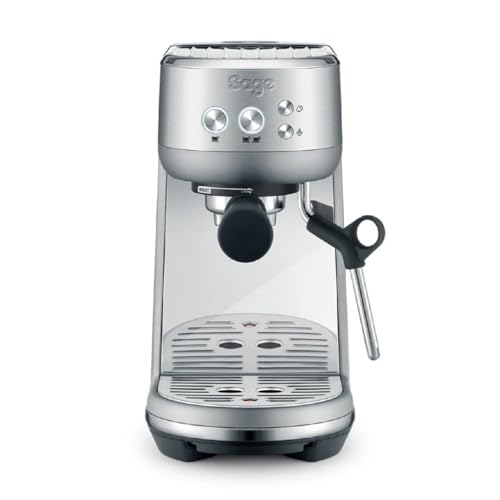
Functions
You'll need a reservoir hold the water you need to make coffee, regardless of whether you choose a steam-driven or pump-driven machine. There's also an element to heat the cold water in order to create the high pressure needed to extract coffee from the grounds.
When the brew lever is lifted it triggers the water inlet cam, which seals the valve to prevent pre-infusion. This ensures that only hot water that is pressurized thoroughly flows through the portafilter into ground coffee. The water will take about 25 seconds before it turns into espresso.
The hot-water tubing, referred to as the insulated tube, extends from the reservoir to the spout at the top of your machine. The heating element that resists warms the water as water passes through the aluminum tube and metal warming plate.
After the spout has been turned off the cup, place it under the spout in order that espresso flows into the cup through the portafilter. The coffee maker also has an steam wand can be used to heat up and froth the milk for drinks that are espresso-based, such as cappuccino and latte.
Automatic machines take the guesswork out the brewing process. They are simple to operate, programmable and can measure and grind beans as well as to tamp down. They typically have the best overall performance in our Lab tests since they are easy to operate and don't require a lot of user skill.
Materials
Inside an espresso machine there's a maze of copper tubes and stainless steel boilers. There's also a sophisticated firmware. Although they might appear to be complicated the primary purpose of these machines is to convert hot water into finely ground coffee.
When looking for an espresso maker, consider the size and the space needed, beverage options, energy-saving options and brewing accuracy. Look for a steam button to turn on the steam wand, which is used to create Latte Arts and frothing milk. A gauge for pressure on the front of the machine informs you of the operating boiler and pump pressure. It is recommended to look for a coffee maker with two needles to see the maximum and minimum pressure.
If you want to do more than espresso, select a machine that has different brew sizes, including ristretto. There are models that come with an adjustable milk hopper to allow free, effortless frothing, and the ability to effortlessly switch between different kinds of milk. If you're experiencing hard water, you should choose one with a built-in softener to prevent the buildup of minerals and keep your espresso tasting fresh.
Certain manufacturers employ PID (proportional, integral digital) thermostat to keep a certain temperature range for espresso making. This feature guarantees a excellent cup of espresso every time. It also helps reduce expenses for energy since the machine only runs when it's necessary.
Maintenance
The care and maintenance of espresso machines and coffee makers is becoming more essential as they become available for use at home. The right equipment can make all kinds of difference to your cup of coffee, but that's only true if the machine is working properly.
A regular maintenance and cleaning routine should include everything from cleaning the group head and steam wand and descaling, as well as changing the water filter on a regular basis. If you make between two and five coffees every day, it's recommended that you clean the main components of your machine every week. Certain components of the machine require cleaning every two to three weeks. These include the water tank and the grinder.
In addition, you should backflush your machine on a weekly basis. This is done by placing the portafilter in its place and running the brew cycles several times. This will help get rid of any coffee ground or oil that has been left behind. You can also use a brush or cleaner made specifically for espresso machines to clean the portafilter.
Maintaining espresso machines uk and coffee machine correctly will also make it last longer. A lot of professional espresso machines found in cafes and offices are expensive, so it is vital to keep your machine in good shape so that it can last as long as is possible.